


Zimbabwe Declares Drought Disaster Amidst Regional Hunger Crisis Triggered by El Niño
The declaration was widely expected following similar actions by neighboring Zambia and Malawi.
On Wednesday, Zimbabwe announced a state of disaster due to an extensive drought affecting large parts of southern Africa. The country’s president emphasized the need for $2 billion in humanitarian aid to address the crisis.
The declaration had been anticipated, mirroring actions taken by neighboring Zambia and Malawi. In these countries, drought associated with the El Niño weather pattern has devastated crops, resulting in millions of people requiring food aid.
In a speech appealing for international assistance, President Emmerson Mnangagwa stated that over 80% of Zimbabwe experienced below-average rainfall due to the El Niño-induced drought. He emphasized that the primary objective is to ensure food security for all Zimbabweans, stressing that no citizen should suffer or perish from hunger.
He appealed to United Nations agencies, local businesses and faith organizations to contribute towards humanitarian assistance.
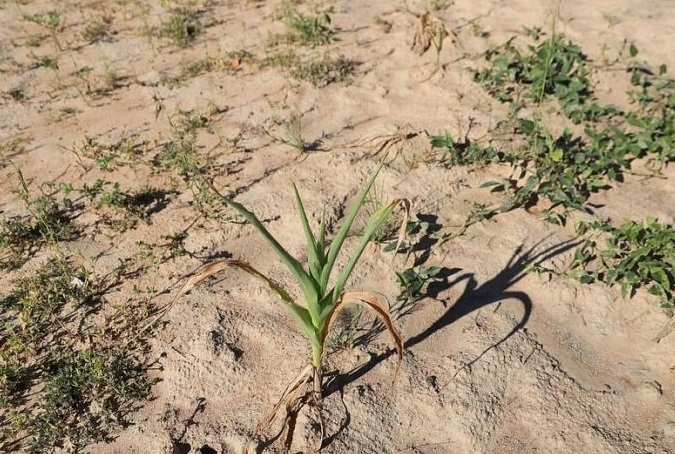
El Nino, a naturally occurring climatic phenomenon that warms parts of the Pacific Ocean every two to seven years, has varied effects on the world’s weather. In southern Africa, it typically causes below-average rainfall, but this year has seen the worst drought in decades.
In Zimbabwe, the United Nations’ World Food Program has already rolled out a food assistance program targeting the 2.7 million people, nearly 20 percent of the country’s population, from January to March.
The first few months of the year are traditionally known as the “lean period,” when households run short as they wait for the new harvest. However, there is little hope for replenishing food stores this year, and Mnangagwa said that even more people than previously forecast will likely need food aid.
More than 60% of Zimbabwe’s 15 million people live in rural areas, growing the food they eat, and sometimes small surpluses that can be sold to cover expenses such as school fees. With relatively little participation in the cash economy, many of those won’t be able to buy food even when it’s available in markets.
Zimbabwe, once a regional agricultural powerhouse and grain exporter, has in recent years relied more and more on aid agencies to avert mass hunger due to extreme weather conditions such as heat waves and floods.
Mnangagwa’s declaration will open the way for aid agencies to mobilize international support for more aid, but many people may still fail to get assistance, which is likely to be targeted to the most vulnerable populations due to limited resources amid a global hunger crisis and a cut in humanitarian funding by rich governments.
Much of Southern Africa is in the throes of a food crisis due to the ongoing drought. Zimbabwe declared a state of national disaster and appealed for humanitarian assistance from international donors in 2019, after a failed crop left tens of thousands in need.
Zambian President Hakainde Hichilema declared the current drought a national disaster in February, saying that almost half of his country’s staple corn crop had been destroyed. According to the United Nations Children’s Fund, more than 6 million in Zambia, half of them children, have been affected by the drought.
Less than a month later, Malawian President Lazarus Chakwera said his country needed more than $200 million in urgent humanitarian assistance over a drought that he said has affected 2 million households in 23 of the tiny country’s 28 districts. The U.N. Children’s Fund said about 9 million people, half of them children, need help in Malawi.
The United States Agency for International Development, the U.S. government’s foreign aid agency, has estimated through its Famine Early Warning Systems Network that 20 million people in southern Africa needed food relief between January and March.
These needs could extend into early 2025 for many people in areas of highest concern such as Zimbabwe, southern Malawi, parts of Mozambique and southern Madagascar due to El Nino, USAID said.
